Total Pageviews

Wednesday, April 09, 2014

எனது இத்தாலி பயணம் பகுதி 2

எனது இத்தாலி பயணம்
நாள் 2

மறுநாள் காலை ஹோட்டலிலேயே செமையான காலை உணவு. (ஹோட்டல் கட்டணத்தில் காலை உணவும் சேர்க்கப்பட்டிருந்தது), ஒன்பது மணிக்கு வீதியில் இறங்கினோம்.

இத்தாலிக்கும் இந்தியாவுக்குமிடையே நிறைய ஒற்றுமைகள் உண்டு
.
இத்தாலியின் வரைபடம்
  • இந்தியாவைப் போல், இத்தாலியும் ஒரு தீபகற்ப நாடு. 
  • வடக்கே ஆல்ப்ஸ் மலையின் சிகரங்கள் இத்தாலியை ஃப்ரான்ஸ், சுவிட்ஸர்லாந்து, ஆஸ்ட்ரியா மற்றும் ஸ்லோவேனியா நாடுகளிலிருந்து பிரிக்கிறது. தெற்கே இத்தாலியின் ஒரு பகுதியான சிசிலி என்கிற ஒரு தீவு. (GOD FATHER படம் ஞாபகம் இருக்கலாம்) அதற்கும் தெற்கே பரந்த மத்தியதரைக்கடல். 
  • இத்தாலியின் தலைநகரமான ரோம், சரித்திர காலங்களிலிருந்து புகழ் பெற்றிருந்தது. 
  • இந்தியாவைப் போல் பல உட்பிரிவுகளைக் கொண்ட இத்தாலி பல குறுநில, சிற்றரசர்களால் பல்வேறு காலக்கட்டங்களில் ஆளப்பட்டிருக்கிறது. பல புகழ்பெற்ற சக்கரவர்த்திகள் ரோம சாம்ராஜ்யத்தை ஐரோப்பா முழுவதும் விரிவாக்கியிருக்கிறார்கள். அண்டையிலுள்ள ஐரோப்பாவின் மற்ற பெரிய நாடுகளான ஆஸ்திரியா, ஸ்பெயின், மற்றும் ஃப்ரான்ஸ்  நாடுகள் இத்தாலியின் பல்வேறு பகுதிகளின் மீது படையெடுத்து கைப்பற்றி ஆண்டிருக்கின்றன.. 
  • பல புகழ்பெற்ற தத்துவஞானிகள், கலைஞர்கள், இத்தாலியில் தோன்றியிருக்கிறார்கள். 
  • மிகப் பழமையான கலாசாரம், பண்பாடு, மற்றும் நாகரீகம் தோன்றிய நாடு. 
  • உலகிலேயே மிக அதிக மக்கள் பின்பற்றும் கிறிஸ்துவ மதம் – முக்கியமாக ரோமன் கத்தோலிக்க மதம் - இங்கேதான் வேரூன்றியிருகிறது. உலகிலேயே மிக அதிக வருமானம் கொண்ட வாடிகன் கோவில் ரோமில்தான் அமைந்திருக்கிறது. 
  • லாத்தீன், கிரீக், மற்றும் பல வேறுபட்ட கிளை மொழிகளை மக்கள் பண்டைய காலங்களில் பேசி வந்தாலும், இருபதாம் நூற்றாண்டில் அரசாங்கம் எடுத்துக்கொண்ட பல முயற்சிகளால், ஒருங்கிணைத்த மொழியாக இத்தாலியன் மொழி இன்று பேசப்பட்டு வருகிறது. 
  • பல மன்னர்கள்,, கொடுங்கோலர்கள் கைக்குள் இருந்து வந்த இத்தாலியின் பல்வேறு பிரிவுகள், இரண்டாம் மற்றும் மூன்றாம் சுதந்திர போராட்டங்களுக்குப் பிறகு 1861-ல் இரண்டாவது விக்டர் இம்மானுவேல் மன்னரின் கீழ் ஒரே நாடாக்கப்பட்டது. 
  • 1946, ஜூன் 2-ஆம் தேதி நடத்தப்பட்ட பொது வாக்கெடுப்பின் முடிவின்படி, மன்னராட்சி, கொடுங்கோல் ஆட்சிகளுக்கு முடிவு கட்டப்பட்டு இத்தாலி ஒரு சுதந்திர குடியரசாக அறிவிக்கப்பட்டது. 
  • இருபதாம் நூற்றாண்டின் தொடக்கத்தில், இந்நாடு தொழில்மயமாக்கப்பட்டு, ஒரு வளர்ந்த நாடாக,   நேடோ (NATO) அமைப்பின் ஒரு ஸ்தாபக உறுப்பினராகவும்,, ‘செஞ்சென்’ என்றழைக்கப்படுகிற யூரோப்பியன் யூனியனின் ஒரு முக்கிய நபராகவும் திகழ்ந்து வருகிறது. 


இந்த நினைவுகளுடனேயே, புராதன ரோம் நகரை சுற்றிப்பார்க்க ஆரம்பித்தோம். புராதன ரோம் நகரப் பகுதிகள் முழுவதும் பழமையான கட்டிடங்கள், பூமியின் அடியிலிருந்து தோண்டியெடுக்கப்பட்ட அடையாளச் சின்னங்கள், அருங்காட்சியகங்கள், கலைக்கூடங்கள், சிற்பக்கூடங்கள், நீரூற்றுகள், ரோமன் கத்தோலிக் கிறிஸ்துவர்களின் கோவில்கள் (நம்மூரில் மூலைக்கு மூலை பிள்ளையார் கோவில் இருப்பது மாதிரி) மற்றும் போர் நினைவுச் சின்னங்கள் எல்லாம் பல புதிய கட்டிடங்களுக்கு நடுநடுவே பழசும் புதுசுமாக கலந்து அழகாக காணப்படுகிறது. குறிப்பிட்ட நிறுத்தங்களில் எங்கு வேண்டுமானாலும், எத்தனை முறை வேண்டுமானாலும் ஏறி இறங்கலாம் என்கிற வசதியுள்ள HOP-ON-HOP-OFF பஸ்ஸில் (ஏற்கெனவே ரிசர்வ் செய்திருந்தேன்) ஒரு முறை எங்கும் இறங்காமல் ரோமில் வலம் வந்தோம். பல குறுகிய தெருக்கள் வழியே இந்த பஸ் போகும்பொழுதும், திரும்பும் பொழுதும் மனது திக், திக்கென்றது.)
 

எங்களுடைய முதல் நிறுத்தம், வாடிகனுக்கு வெளியே.

வாடிகன் நகரம், ரோமுக்குள்ளேயே பெரிய மதிற்சுவர்களால் சூழப்பட்ட, ஐ. நா சபையின் உறுப்பினர் அந்தஸ்து பெற்ற ஒரு தனி நாடு. 110 ஏக்கர் பரப்பளவு. மக்கள் தொகை 840. கத்தோலிக்க கிறிஸ்துவ மதத்தின் தலைவரும், ரோம் நகரின் பிஷப் என்றும் அழைக்கப்படும் போப்பாண்டவரால் ஆளப்படுகிறது. பல நாடுகளிலுள்ள பிஷப்புகளிலிருந்து தேர்ந்தெடுக்கப்படும் இவர் வசிக்கும் இடமும் வாடிகன் நகரம்தான். யேசு கிறிஸ்துவினால் அளிக்கப்பட்ட சொர்க்கத்தின் திறவுகோலை வாங்கிக்கொண்ட புனித பீட்டரின் வாரிசுகள்தான் போப்பாண்டவர் என்பவர்கள். புனித பீட்டருக்கு வாட்டிகனனுக்குள்ளேயே மிகப்பெரிய கோவில் கட்டியிருக்கிறார்கள்.


அடுத்த நாள் வாடிகன் அருங்காட்சியகம், மற்றும் புனித பீட்டரின் மிகப் பெரிய கோவிலை (VATICAN MUSEUM AND ST.PETER’S CHURCH) சுற்றிப்பார்ப்பதற்கான டிக்கெட்டை நாங்கள் ஏற்கெனவே முன்பதிவு செய்திருந்ததால், வாடிகனுக்கு வெளியேயுள்ள இடங்களை மட்டும் சுற்றிப்பார்த்துவிட்டு, மீண்டும் HOP ON பஸ் ஏறினோம்.

நாங்கள் இறங்கிய அடுத்த முக்கிய இடங்கள்:

  •      பியாசா டெல் கேம்பிடோலியோ (Piazza del Campidoglio)
  •   ரோமன் கலோசியம் (Roman Collosseum) மற்றும் அதைத் தொட்டுள்ள          ரோமன் ஃபோரம் (Roman Forum)

பியாசா டெல் கேம்பிடோலியோ (Piazza del Campidoglio):
கேபிடோல் குன்றின் மீது அமையப்பட்ட இந்த நகர்கூடம் ஒரு காலத்தில் ரோமர்களின் வழிபாட்டுத்தலமாகவும் இருந்திருக்கிறது. இப்பொழுது காணப்படும் கட்டிடம் 1560-ல், மைக்கேல் ஏஞ்செலோ என்ற புகழ்பெற்ற சிற்பக்கலை வல்லுனரின் எண்ணத்தில் உதயமான கனவின் படி கட்டப்பட்டது. கம்பீரமான ஒரு படிக்கட்டுகளின் வழியாக ஏறினால் மூன்று கட்டிடங்களைக் காணலாம். நடுவில் நிற்பது பளாசோ செனடோரியோ (Palazzo Senatorio) – இப்பொழுது ரோம்  நகராட்சி மன்றத்தின் அலுவலகம். இருபுறமும் இருப்பது கேபிடொலின் அருங்காட்சியகம் மற்றும் கலைக்கூடம். இந்த இரண்டு இடங்களையும் முழுவதுமாகப் பார்ப்பதற்கு குறைந்தது இரண்டு மணி நேரம் தேவை என்பதால், இதை இன்னொரு நாள், நாங்கள் ரோம் திரும்பி வரும்பொழுது பார்த்துக்கொள்ளலாம் என்று திரும்பிவிட்டோம்.
  
ரோமன் கலோசியம் (Roman Collosseum) , அதைத் தொட்டுள்ள ரோமன் ஃபோரம் (Roman Forum), மற்றும் சர்கஸ் மாக்ஸிமஸ் ):

கலோசியம்: கி.பி 70-ல் தொடங்கி 80-ல் முடிக்கப்பட்ட இந்த ரோமன் வெட்டவெளி அரங்கம் (AMPHITHEATRE) வெஸ்வேசியன் என்ற பேரரசராலும், ஃப்ளெவியன் பரம்பரை என்றழைக்கப்படும் அவரது சந்ததியரரான டைட்டஸ் என்பவராலும் கட்டப்பட்டது. ஐம்பது முதல் எண்பதினாயிரம் மக்கள் அமரக்கூடிய இந்த அரங்கத்தில் ஒரு காலத்தில் க்ளேடியேட்டர்கள் (GLADIATOR) என்றழைக்கப்பட்ட அடிமைகள், கூலி வீரர்கள் ஒருவருக்கொருவர் பயங்கரமாக மோதி சண்டை போட்டும், பயங்கர மிருகங்களுடன் போராடியும் பார்வையாளர்களை குஷிப்படுத்தி வந்தனர். பின் வந்த 10-ஆவது 13-ஆவது நூற்றாண்டுகளில் இது ஒரு கோட்டையாகவும், ராணுவ வீரர்களின் உறைவிடமாகவும், சமயத்தில் கிறிஸ்துவ கோவிலாகவும் பயன் படுத்தப்பட்டது. பின்னால் ஏற்பட்ட பூகம்பத்தின் விளைவாகவும், மதிப்புள்ள கற்களை கொள்ளையடிப்பவர்களாலும் இந்த இடம் இப்பொழுது சின்னா பின்னமாக சிதைந்து கிடக்கிறது. ஐ. நா. சபையினால், பாதுகாக்கப்படவேண்டிய ஒரு புராதனச் சின்னமாக இன்று கருதப்பட்டு வருகிறது.
 

கலோசியம் உள்ளே சென்று பார்க்க டிக்கெட்டுக்கு க்யூவில் நின்று, பின்பு உள்ளே சுற்றிப் பார்த்து முடிப்பதற்குள்ளேயே நான்கு மணியாகிவிட்டது. அதற்குள், ரோமன் ஃபோரம் பார்ப்பதற்கான அனுமதி நேரம் முடிந்துவிட்டதால் உள்ளே எங்களுக்குப் போக முடியவில்லை. அடுத்த நாள் சீக்கிரமாக இங்கே வந்து பார்த்துக்கொள்ளலாம் என்று கருதி மற்ற இடங்களை சுற்ற ஆரம்பித்தோம்.

சர்க்கஸ் மாக்ஸிமஸ்: ஒரு காலத்தில் மிகப் பிரபலமான குதிரைப் பந்தயங்கள், போட்டிகள் நடக்கும் களமாக இருந்த இந்த இடம், இன்று வெறும் புல் முளைத்த ஒரு மைதானமாக காட்சியளிக்கிறது.

அன்று நாங்கள் கற்றுக்கொண்ட முக்கியமான பாடங்கள்:
  •    ரோம் நகரை சுற்றிப் பார்ப்பதற்கு நடைதான் சிறந்தது. HOP ON  பஸ்   எல்லாம் பண விரயம்தான். சரித்திர கால ரோம் என்று      சொல்லப்படும் பகுதிகள் கால் நடையாகவே போய் பார்க்கக்கூடிய  இடங்கள்தான்.
  •  ரோம் நகரை மட்டும் சுற்றிப் பார்ப்பதற்கு தனியாக ஒரு பத்து நாள்  ஒதுக்க வேண்டும். அவ்வளவு இருக்கிறது பார்ப்பதற்கு.
  •  ரோம் நகரின் சரித்திரம் ஓரளவு தெரிந்திருந்தால் இந்த இடங்களை  இன்னும் அதிகமாக ரசித்துப் பாராட்டலாம்.
  •  முக்கியமாக அருங்காட்சியகங்கள் எந்த நாளில் விடுமுறை என்பதை முன் கூட்டியே இன்டெர்னிட்டில் பார்த்துத் தெரிந்துகொள்ளவேண்டியது அவசியம்.

 நாள் 3

மூன்றாம் நாள் அதிகாலையிலேயே தயாராகிவிட்டோம். 

ரோமன் ஃபோரம் செல்வதற்கு முந்திய இரவே பஸ் டிக்கட் ஒரு சிகரெட் கடையில் வாங்கி வைத்துக்கொண்டோம். ஆம். பஸ் டிக்கட் பஸ்ஸில் கிடைப்பதில்லை. ஏதேனும் சிகரெட் கடையிலோ, அல்லது  நியூஸ் பேப்பர் கடையிலோதான் விற்கப்படுகிறது. ஒரு டிக்கட் விலை 1.30 யூரோ. ஒண்ணேகால் மணி நேரத்துக்குள் எத்தனை தடவை வேண்டுமானாலும் உபயோகித்துக்கொள்ளலாம். ஒரு நாள் முழுவதும் பயன்படுத்த ஆறு யூரோக்கள். பஸ்ஸில் ஏறியவுடன் பயணிகள் நிற்குமிடத்தில் தொங்கவிடப்பட்ட மிஷினில் பஞ்ச் செய்துகொள்ளவேண்டும். எங்கள் ஹோட்டலின் எதிரிலேயே பஸ் நிறுத்தம். மற்ற பயணிகள் உதவியோடு, ரோம் ஃபோரம் போவதற்கு சரியான  நிறுத்தத்தில் இறங்கிக் கொண்டோம். 

கலோசியம் ஒட்டியே உள்ளது ஃபோரம். காலை எட்டு மணிக்கே பார்வையாளர்களுக்கு திறந்துவிட்டார்கள். உள்ளே நிறைய நடக்கவேண்டியிருந்தது. நடக்க, நடக்க அந்த பழங்காலத்து ரோமுக்கே போய்விட்டோம். இணைத்திருக்கும் படங்களிலிருந்தே தெரிந்துகொள்ளுங்கள். ஜூலியஸ் சீசர், அகஸ்டஸ் மற்றும் டிராஜன் பேரரசர்கள் காலத்தில் அவர்கள் பீடமாய் இருந்த இடம் இப்பொழுது எப்படி இருக்கிறது என்று பார்த்துக்கொள்ளுங்கள். ஹாலிவுட்டின் கற்பனையில் இந்த இடம் எப்படி இருந்திருக்கும் என்பதை BENHUR, CLEOPATRA போன்ற பழைய ஆங்கிலப் படங்களை பார்த்திருந்தால் தெரியும்.  


முந்திய நாளுடைய HOP ON  பஸ் டிக்கட் 24 மணி நேரத்துக்கு பயன்படுத்தலாம் என்பதால், முதல் ட்ரிப்புக்கு கலோசியம் வெளியே அது வந்து சேரும் நேரத்தை ஏற்கெனவே தெரிந்து வைத்துக்கொண்டிருந்தோம். சரியாக முதல் பஸ்ஸை பிடித்து, வாடிகன் நிறுத்தத்தில் இறங்கிக்கொண்டோம். ம்யூசியம் நுழைவு வாயிலருகே ஒரு ரெஸ்டாரண்ட் வாசலில், வாடிகன் டூரின் கைடு எங்களுக்காக காத்திருந்தார்.  நாங்கள் கொஞ்சம் லேட். ம்யூசியம் நுழைவு டிக்கெட், கைடு விவரிப்பதை நாம் வசதியாக கேட்டுக்கொள்ள கையில் ஒரு சின்ன கருவி – TRANSMITTOR RECEIVER – மற்றும் காதில் மாட்டிக்கொள்ள ஹெட் ஃபோன் சகிதமாக வாடிகன் ம்யூசியம் உள்ளே நுழைந்தோம்.

வாடிகன் ம்யூசியம் ஒரு தனி உலகம். எத்தனை எத்தனை வண்ண ஓவியங்கள், பளிங்குக்கல் சிலைகள், வண்ண வண்ண கூரைகள், ஃப்ரெஸ்கோஸ் என்று கூறப்படும் சுவரோடு சுவராகவே வரையப்பட்ட, பிரிக்கமுடியாத ஓவியங்கள் ….. ஒவ்வொன்றுக்கும் முன்னே நின்று மணிக்கணக்கில் நேரம் செலவிடலாம். கைடு மிகப் பொறுமையாக ஒவ்வொன்றையும் விளக்கிக்கொண்டிருந்தாள். கூட்டம் கூட்டமாக பல சுற்றுலாக் கும்பல்கள். கைடுகளை அடையாளம் கண்டுகொள்ள அவர்கள் கையில் ஒரு வண்ணக்கொடி. பல ஓவியங்களின் ஒரிஜினல் தனி அறைகளில் பாதுகாக்கப்பட்டு வருகிறது. பார்த்ததில் பல, பிற்காலத்தில் பலர் வரைந்த, செதுக்கிய நகல்கள்தான். ஒவ்வொரு நாளும் இருபது முப்பதுனாயிரம் சுற்றுப்பயணிகள் வருகிறார்கள். எங்கு பார்த்தாலும் நம் திருப்பதி கோவில் மாதிரி தலைகள்தான் தெரிந்தன. 


வாடிகனுக்குள்ளே அமைந்திருக்கும் புனித பீட்டரின் கோவில் (ST.PETER’S BASCILLICA) பிரமிக்கவைக்கும் இன்னொரு அதிசயக் கட்டிடம்.  உலகிலேயே மிகப் பெரிய கோவில்களில் ஒன்று. ரொம்பவும் புனிதமாகக் கருதப்படும் கோவிலும் இதுதான். யேசு கிறிஸ்துவின் 12 சீடர்களில் மிக மிக முக்கியமானவராக கருதப்பட்டவரும், முதல் போப்பாண்டவருமான புனித பீட்டரின் உடல் இங்கேதான் அடக்கம் செய்யப்பட்டிருக்கிறது. 4-ஆம் நூற்றாண்டில் ஆண்ட மாபெரும் கான்ஸ்டன்டைன் என்ற மன்னர் காலத்தில் கட்டப்பட்ட ஒரு கோவிலை அகற்றிவிட்டு, 1506-ஆம் ஆண்டு ஏப்ரல் 18-ஆம் தேதி இப்பொழுது காணப்படும் புதிய கோவிலை கட்டத் தொடங்கி 1626-ஆம் ஆண்டு, நவம்பர் 18-ஆம் தேதி முடித்ததாக அறிகிறேன்.  கோவாவில் பாஸ்ஸிலிகா என்றழைக்கப்படும் சில பெரிய கோவில்களைப் பார்த்திருக்கிறேன். ஆனால், வாடிகனிலுள்ள புனித பீட்டரின் கோவில் மிக மிகப் பெரியது. பார்க்க கொடுத்து வைத்திருக்கவேண்டும். இணைத்திருக்கும் படங்களைப் பார்த்து நீங்களே தெரிந்துகொள்ளுங்கள். இந்தக் கோவிலின் உயரம் 452 அடி. கோவிலின் மத்தியிலுள்ள கூரையின் (DOME) விட்டம் சுமார் 137 அடி. கோவிலின் சுவர், கூரை முழுவதும் பிரபல ஓவியர்கள் வரைந்த வண்ண ஓவியங்கள். இந்தக் கோவிலைக் கட்டுவதில் ரஃபேல், மைக்கேல் ஏஞ்செலோ, மற்றும் பெர்னினி போன்ற உலகப் புகழ்பெற்ற கலைஞர்களுக்கு முக்கிய பங்கு உண்டு. முக்கியமாக, மைக்கேல் ஏஞ்செலோ 452 அடி உயர கூரையின் உள் பகுதிக்கு வண்ணம் தீட்டும் பொழுது, பதினைந்து வருடங்களுக்கு சாளரங்களில் படுத்துக்கொண்டே வண்ணம் தீட்டினார் என்பதை கற்பனை செய்து பார்க்கும்பொழுது அவர் எவ்வளவு பெரிய கலைஞர் என்ற பிரமிப்பு ஏற்பட்டது.
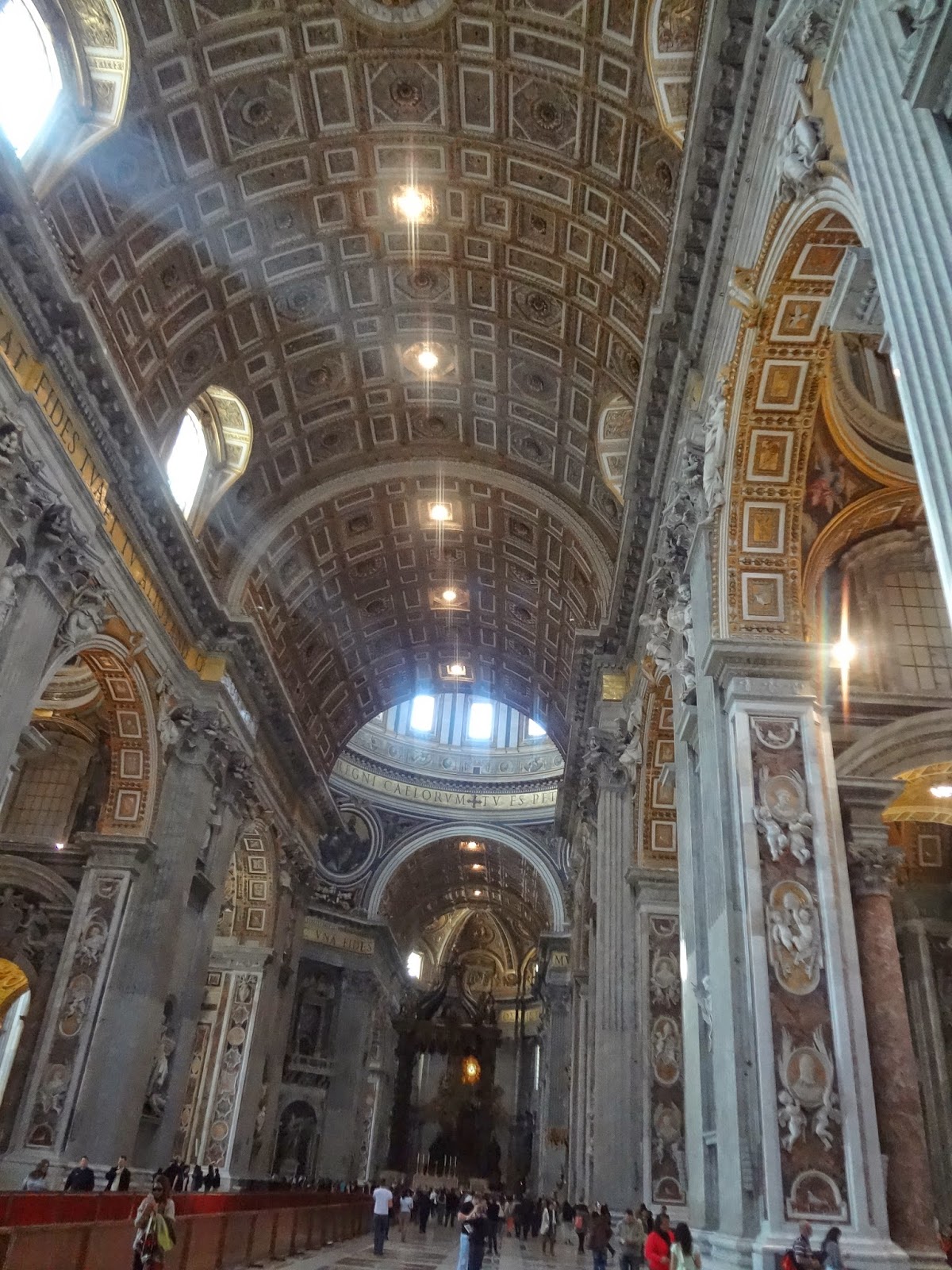


எங்களது வாடிகன் பயணம் மதியம் சுமார் இரண்டு மணிக்கு முடிந்தது. நடந்து நடந்து கால்கள் கெஞ்சின. 

நான்கு மணிக்கு ரோமிலிருந்து நேப்பிள்ஸ் செல்ல எங்களுக்கு ரயில் டிக்கெட் ரிசெர்வ் செய்திருந்ததால் நாங்கள் உடனே ஒரு டாக்ஸி பிடித்துக்கொண்டு (மீட்டர் டாக்ஸியா என்று உறுதி செய்துகொண்டு டாக்ஸியில் ஏறுவது  நல்லது என்பதைத் தெரிந்தும் தவறான ஒரு டாக்ஸியில் ஏறிக் கொஞ்சம் ஏமாந்துகொண்டோம். டாக்ஸி ஓட்டிய பெண்மணி வாய் ஓயாமல் யாருடனேயோ – காதலருடனாக இருக்கவேண்டும் என்று எனது அனுமானம் – பேசிக்கொண்டே வண்டி ஓட்டினாள். கோபம், கெஞ்சல், வற்புறுத்தல், மிரட்டல் எல்லா தொனியும் அவள் பேச்சில் தெரிந்தது.) ஹோட்டல் வந்து சேர்ந்து, மீண்டும் இன்னொரு டாக்ஸி ஹோட்டல் மூலமாக ஏற்பாடு செய்து ‘ரோம் சென்ட்ராலே’ ரயில் நிலையம் வந்து சேர்ந்தோம். (இத்தாலி மொழியில் எல்லா வார்த்தைகளுக்கு ஒரு ‘ஆ’ ‘ஏ’ சேர்த்துக்கொள்ளவேண்டும் போலிருக்கிறது).

இத்தாலியில் எங்களது முதல் ரயில் பயணம்.  நவீன மயமான ரயில் நிலையம். பாதாளத்தில் மெட்ரோ ரயில் ஓடியது. ரோம் நகருக்கு மீண்டும் வருவதாக சொல்லி விடைபெற்றுக்கொண்டோம்.
                                                                    …                                                          தொடரும்


Sunday, April 06, 2014

My Italy Tour - March 2014


எனது இத்தாலி பயணம்
Collosseum in Rome

Duomo in Florence
Pisa tower
Gondolas in the waters of Venice
Anacapri near Naples
 
நாள் 1

சென்னை அண்ணா சாலையில் நூறு ரூபாய்க்கு கிடைத்த, பிரபல எழுத்தாளர் டான் ப்ரௌன் எழுதிய “இன்ஃபெர்னோ” என்கிற கதைப் புத்தகம்தான் நான் வாங்கியதிலேயே மிக விலை உயர்ந்த புத்தகமாக முடிந்தது. இந்தப் புத்தகம் இத்தாலி நாட்டிலுள்ள ஃப்ளாரன்ஸ் என்கிற பழம்பெருமை வாய்ந்த நகரில் நடப்பதாக எழுதப்பட்டது. இந்த நாவலில் குறிப்பிடப்பட்டுள்ள அரண்மனைகள், அருங்காட்சியகங்கள், தோட்டங்கள், சாலைகள், பாலங்கள்  … இதையெல்லாம் படிக்க, படிக்க, இத்தாலி நாட்டைப் போய் பார்க்க வேண்டும் என்று ஏற்கெனவே என்னுள் மறைந்து உறங்கிக்கொண்டிருந்த ஆசையை மீண்டும் உசுப்பி எழுப்பிவிட்டது.

பின் என்ன…..

இன்டெர்னெட்டில் உட்கார்ந்தேன். இன்டெர்னெட் கண்டுபிடித்தவர்களை கோவில் வைத்துக் கும்பிடவேண்டும். மிகப் பெரிய வரப் பிரசாதம். இருந்த இடத்தை விட்டு நகராமல் எதை வேண்டுமானாலும் இன்டெர்னெட்டில் தேடிக் கண்டுபிடித்துக்கொள்ளலாம்.  

இன்டெர்னெட்டில் இத்தாலி நாட்டைப் பற்றியும், அந்த நாட்டு சுற்றுப்பயணங்களைப் பற்றியும் படித்தேன். படிக்கப் படிக்க ஆவல் கூடியது. பல இடங்களின் புகைப்படங்கள் என்னை இன்னும் ஈர்த்தன. எங்களுடைய பையன், பெண் இருவரும் அமெரிக்காவில் வேலை செய்வதால் எப்படியும், மார்ச் மாதத்தில் அமெரிக்கா செல்வதாக ஒரு திட்டம் எங்களிடம் இருந்தது. தனியாக இத்தாலி மட்டும் போய் வருவதற்கான விமான டிக்கட்டின் விலைக்கும், இத்தாலி வழியாக அமெரிக்கா சென்று திரும்புவதற்கான டிக்கெட்டின் விலைக்கும் பத்து பதினையாயிரம் ரூபாய் வித்தியாசம்தான் இருந்தது. அப்பொழுது தோன்றியது … ‘நாம் ஏன், அமெரிக்கா செல்லும் வழியில் இத்தாலியில் ஒரு சில நாட்கள் தங்கி ஊர்சுற்றிப் பார்க்கக்கூடாது’ என்று.  

பல வலைப்பிரிவுகளை படித்துப் புரிந்துகொண்டபோது ஒரு பொதுவான ஐடியா மனதில் பதிவானது. இத்தாலியில் பல இடங்களைப் போய் பார்க்கலாம் என்றாலும், ரோம், நேப்பிள்ஸ், ஃப்ளாரன்ஸ், மற்றும் வெனிஸ் நகரங்கள் மிகமிக முக்கியமானவை என்று தோன்றியது. எட்டு முதல் பத்து நாட்கள் இருந்தால் நன்றாகவே சுற்றிப் பார்க்கலாம் என்றும் புரிந்துகொண்டேன். கையில் பைசா இருந்தால் ரோம் நகரத்தை மட்டுமே எத்தனை நாட்கள் வேண்டுமானாலும் சுற்றலாம். இத்தாலியில் செல்லுபடியாகும் யூரோ என்கிற  நாணயம் இன்றைக்கு எண்பத்தியாறு இந்திய ரூபாய்க்கு சமம். (இந்திய ரூபாயின் மதிப்பு எவ்வளவு அதல பாதாளத்தில் இருக்கிறது என்று வெளிநாடு போகும் பொழுதுதான் தெரியும்)

என் மனைவியிடம் என்னுடைய இத்தாலி நாட்டுப் பயணக் கனவைப் பற்றிச் சொன்னேன். வழக்கம் போல ப்ரேக் போட்டாள். வீணே நிறைய பணம் செலவாகும் எதற்கு இந்த யோசனயெல்லாம் என்றாள். ஆனால் அவளிடம் உள்ள ஒரு நல்ல குணம் என்னவென்றால், நான் ஆசைப்பட்டு செய்யும் எதற்கும் குறுக்கே நிற்க மாட்டாள். என் கூட துணையும் இருப்பாள். அவளுக்கென்று தனிப்பட்ட விருப்பு வெறுப்புகளை வைத்துக்கொள்ள மாட்டாள். இரண்டு, மூன்று முறை இதைப் பிரஸ்தாபித்த பிறகு பயணம் ஒகே ஆனது.

ஒரு சில வெளிநாடுகளை சுற்றிப் பார்க்கும் அதிர்ஷ்டம் எங்களுக்கு இருந்தது. இதுவரை அமெரிக்கா, இங்கிலாந்து ஸ்காட்லாந்து, சுவிட்சர்லாந்து போன்ற இடங்களுக்கு போயிருக்கிறோம். எல்லா இடங்களுக்கும் பொதுவாக எந்த குருப் டூரிலும் போனது கிடையாது. தனியாகவே திட்டமிட்டு போய் வந்திருக்கிறோம்.  நம் இஷ்டம் போல் சுற்றலாம். எதில் அதிக ஆர்வம் இருக்கிறதோ அல்லது எது நம்மை அதிகமாக ஈர்க்கிறதோ அங்கே அதிக நேரம் செலவிடலாம். ஆனால், பயணத்துக்கு தயார் செய்ய நிறைய நேரம் பிடிக்கும். செலவும் குறையும். இது என் பெண்ணிடமிருந்து நான் கற்றுக்கொண்டது. ‘ஃப்ரீக்’ என்று எங்களைப் பற்றி கமெண்ட் அடித்திருக்கிறார்கள்.

அப்படியாக, இத்தாலி நாட்டிற்கு சுற்றுப்பயணம் போவதற்கு 2014, ஜனவரி முடிவிலிருந்தே திட்டமிட ஆரம்பித்தேன். மார்ச் மாதம் இத்தாலியில் குளிர்காலம் முடிவடைய வெண்டிய காலம். அதனால், பருவ நிலையும் சாதகமாக இருக்கும் என்று படித்தேன். சுற்றுலாக்கூட்டமும் குறைவாக இருக்கும் என்றும் நம்பினேன்.

www.tripadvisor.com, ஹோட்டல்களைப் பற்றி விலாவாரியாச் சொல்கிறது. www.bookings.com என்ற இணையதளத்தின் மூலம்  நாங்கள் தங்கவேண்டிய எல்லா நகரங்களுக்கும் ஹோட்டல் ரிஸெர்வேஷன் முடிந்தது, இத்தாலியில் ரயில், பஸ், டிராம் போக்குவரத்து மிகவும் வசதியாகவே இருப்பதாகப் படித்தேன். அதனால் போக வேண்டிய நகரங்களுக்கு ரயிலிலேயே பயணம் செய்யலாம் என்று முடிவு செய்தேன். www.italiarail.com என்ற இணையதளத்தில் எல்லா விவரங்களும் கிடைத்தன. www.viator.com, www.vaticantoursonline.com, போன்ற இணையதளங்கள் மூலமாக சுற்றுலா இடங்களுக்கு முன்பதிவும் இன்டெர்னெட்டில் முடிந்து விட்டது. ஹோட்டல்கள் எல்லாமே ரயில் நிலையங்களுக்கு அருகாமலேயே நடந்து போகக்கூடிய தூரத்தில் இருக்குமாறு பார்த்துக்கொண்டேன். டிராவல் ஏஜென்ட் மூலமாக யூரோப்பியன் யுனியனின் விசாவும் வந்துவிட்டது. யூ.ஏ.ஈ எக்ஸேஞ்ச் மூலமாக யூரோ கரென்ஸியும் டிராவலெர்ஸ் செக்கும் வாங்கிக்கொண்டாகி விட்டது. யூரோ டிராவலெர்ஸ் செக் எவ்வளவு வீண் என்பது இத்தாலி நாடு போன பின்புதான் தெரியவந்தது. அதைப் யூரோ பணமாக்க 14 முதல் 20 சதவிகிதம் கட்டணமாக கழித்துக்கொள்கிறார்கள். யூரோப் சுற்றிப் பார்க்க செல்ல நினைப்பவர்கள் இதை கவனத்தில் கொள்ளவும்.

www.maps.google.com இணையதளத்தின் மூலம் நாங்கள் தங்க இருக்கும் ஹோட்டல்களின் முகப்பு வரை பார்க்க முடிந்தது. ஒவ்வொரு இடத்திலும் என்ன பார்க்கலாம்,  நாம் தங்கியிருக்கும் இடத்திலிருந்து பார்க்கவேண்டிய இடங்கள் எவ்வளவு தூரம், எப்படி அங்கு செல்வது, பஸ்/ரயில்/மெட்ரோ/ரயில்/நடை வசதி எப்படி, எவ்வளவு செலவாகும், போன்ற எல்லா விவரங்களும் இன்டெர்னெட்டில் கிடைக்கின்றன. ஹோட்டல்களுக்கு ஈ-மெயில் செய்து விவரங்களை உறுதி செய்துகொண்டேன். முக்கியமாக இந்தியன் ரெஸ்டாரண்ட்ஸ் எங்கெங்கே இருக்கின்றன என்பதையும் தெரிந்துவைத்துக்கொண்டேன்.

இனி கிளம்பவேண்டியதுதான் பாக்கி.

மார்ச் 11-ஆம் தேதி காலை 4 மணிக்கு பிரிட்டிஷ் ஏர்வேஸ் விமானம் மூலமாக எங்கள் பயணம் தொடங்கியது. லண்டன் எங்களது முதல் நிறுத்தம். சுமார் பத்து மணி நேரப் பயணம். சென்னையில் விமான நிலையத்தில் செக்-இன் செய்யும்பொழுது கௌண்டரில் இருந்தவர் இங்கிலாந்துக்கான TRANSIT VISA எங்கே என்றார்.  நாங்கள்தான் இங்கிலாந்து நாட்டுக்குள்ளே போகப்போவதில்லையே. TRANSIT VISA எதற்கு என்றேன். அவர், பின் யாருடனுடனோ தொலைபேசியில் தொடர்புகொண்டு வெகு நேரம் பேசிய பிறகு, ஒரு வழியாக BOARDING PASS-ஐ கொடுத்தார். (சுற்றுலா பயணிகள் டிக்கெட் வாங்கும்பொழுது சற்று கவனமாக, அவர்கள் போகவேண்டிய இடத்திற்கு இன்னொரு நாடு வழியாக போவதாக இருந்தால் TRANSIT VISA  தேவையா என்று சரி பார்த்துக்கொள்ளவும்.) வழியில் விமானத்தில் ‘வருத்தப்படாத வாலிபர் சங்கம்’ படத்தை பார்த்தேன். இந்தியாவில் பார்க்க நேரம் கிடைக்கவில்லை. இன்றைய சினிமாக்களில் குடிப்பதையும், புகைபிடிப்பதையும் ஒரு ஹீரோத்தனமாக்கிவிட்டார்கள்.

லண்டனில் இரண்டு மணி நேரம் இடைவேளைக்குப் பிறகு, ரோம் நகருக்கு அடுத்த விமானம். இரண்டரை மணி நேரம் பயணம். ரோம் செல்வதற்கு தலையை சுற்றி மூக்கைத் தொட்டதுபோல் இருந்தது. அதே நாள், மாலை 4.10 அளவில் எங்கள் விமானம் ரோம் நகரின் ஃஃப்யூமிஸினா விமான நிலையத்தைத் தொட்டது. தேசியப்பற்றை கொஞ்சம் ஒதுக்கிவைத்துவிட்டு, வெளிநாடுகளிலுள்ள விமான நிலையங்களைப் பார்க்கும்பொழுது, நம்மூர் சென்னை விமான நிலையம் ஒன்றுமேயில்லை என்று தோன்றியது. டில்லி கொஞ்சம் பரவாயில்லை.

ரோம் விமான நிலையத்தில் இமிக்ரேஷன் பரிசோதனை மிக விரைவாக முடிந்துவிட்டது. எங்களது பயணப்பெட்டிகளும் வந்து விட்டன. ஆனால், அதைத் தள்ளி செல்வதற்கு டிராலி இலவசம் கிடையாது. இரண்டு யூரோ  நாணயம் மிஷினுக்கு ஊட்டவேண்டும். இது ரொம்ப அநியாயம் என்று தோன்றியது. இந்தியாவுக்கு, முக்கியமாக தமிழ் நாட்டுக்கு வெளியே இலவசம் என்றால் என்ன விலை என்ற கேள்விதான்.

விமான நிலையத்தில் டிராலிகள் நிறுத்தப்பட்டிருந்த இடத்தின் அருகிலேயே நாணயம் மாற்றும் மிஷின் இருந்தது. எல்லாம் மிஷின் மயம்தான். வளர்ந்த வெளிநாடுகளுக்குப் போவதென்றால், கம்ப்யூட்டர் மிஷின்களை எப்படி பயன்படுத்துவது என்பதைப் பற்றி கவலைப்படக்கூடாது. பத்து யூரோ நோட்டை உள்ளே விழுங்கிவிட்டு நாணயம் வெளியே வராவிட்டால் என்ன செய்வது என்று ஒரு பயம். அப்படி எதுவும் நடக்கவில்லை. ஐந்து, இரண்டு-யூரோ நாணயங்களை கடகடவென்று கக்கியது.

எங்கள் பயணப்பெட்டிகளோடு வெளியே வரும்பொழுது உள்ளுக்குள் இன்னொரு நடுக்கம் இருந்தது. முப்பது கிலோமீட்டர் தூரம். பெட்டிகளோடு மெட்ரோ ரயிலில் செல்வது கடினம் என்பதால் இன்டெர்னெட் மூலமாக ஹோட்டல் செல்வதற்கு டாக்ஸி ஏற்பாடு செய்திருந்தேன். டிரைவர் விமான நிலையத்தின் வரவேற்பு பகுதியில் காத்திருப்பார் என்று ஈ-மெயில் வந்திருந்தது. அவர் வராவிட்டால், மாற்று ஏற்பாடு எப்படி செய்வதென்று பார்த்து வைத்துக்கொள்ள மறந்து விட்டேன். ஆனால், ஒரு அட்டையில் எங்கள் பெயரை சரியாக எழுதி வைத்திருந்து எங்களுக்காக அவர் காத்திருந்தார். ஒரு அரை மணி நேரத்தில் ஹோட்டல் சென்றடைந்தோம்.

மாலை மணி 6.00. ஹோட்டல் அறையில் எங்கள் சாமான்களை இறக்கி வைத்தபின்பு, இரவு சாப்பாட்டிற்காக வெளியே சென்றோம். பல சுற்றுலா பயணிகள் கூடுமிடமான, மனதைக் கவரும் ட்ரெவி நீரூற்று (TREVI FOUNTAIN) ஹோட்டல் எதிரே ஒரு சிறிய சந்து வழியாக ஐந்து நிமிடத்தில் நடந்துபோய் செல்லும் தூரத்திலேயே இருந்தது. சந்து முழுவதும், நமது சென்னை தி.நகர் ரங்கநாதன் தெரு போன்று கடைகள். தெரு முனையில் எலெக்ட்ரானிக் சங்கீதக் கருவிகளை வைத்து சிலர் இசைத்துக்கொண்டும், பாடிக்கொண்டும் இருந்தனர். (ஒருவிதமான ஹைடெக் கையேந்துதல் என்றுதான் நினைக்கிறேன்.)

இரவு நேரத்தில், TREVI FOUNTAIN மின்விளக்கு ஒளியில் ஜொலித்தது. பல முறை புகைப்படங்களில் பார்த்த நீரூற்றை நேரில் கண்டபொழுது ரொம்ப த்ரில்லிங்காக இருந்தது. நீரூற்றை சுற்றி சுற்றுலாக் கும்பல் குவிந்திருந்தது. நிற்க, உட்கார இடமில்லை. பலர் நீரூற்றின் அருகில் போய் திரும்பி நின்றுகொண்டு நாணயங்களை நீரூற்றில் விட்டெறிந்துகொண்டிருந்தார்கள். அப்படி செய்தால், ரோமுக்கு மீண்டும் வருவோம் என்றொரு நம்பிக்கையாம்.


இரவு உணவை பீஸ்ஸா, ஸ்பகட்டியோடு முடித்துக்கொண்டு, பக்கத்திலுள்ள ஒரு சூப்பர் மார்க்கெட்டிலிருந்து பிரெட், ஜூஸ், தயிரும், ஒரு பழக்கடையிலிருந்து பழங்களும் வாங்கிக்கொண்டு ஹோட்டல் அறைக்கு திரும்பினோம். இத்தாலியில் நாங்கள் இருந்த எல்லா நாட்களிலும் சென்னை, கிராண்ட் ஸ்வீட்ஸிலிருந்து வாங்கிச்சென்ற தக்காளித்தொக்குதான் ரொம்பவும் கைகொடுத்தது.

அடுத்த நாள் அதிகாலையில் ஊர் சுற்றிப் பார்க்க கிளம்பவேண்டும் என்பதனால் சீக்கிரமாக படுத்துவிட்டோம்..                                                    .  ……………………………… தொடரும்


Do you like this blog? If so, you may also like to see my other blogs on my other travels:
July, 2013:Trip to Alaska


Friday, April 04, 2014

A tribute to four ordinary men


Excerpts from my yet-to-be-completed book: The Witness – An autobiography of an ordinary man

..............I want to introduce four ordinary people known to me and tell you what their life was all about. I may go a little personal in these pages and this is meant only as a tribute to these four people, and in no way to be construed as a judgement of their life.

My paternal uncle

My paternal uncle died, just missing his 80th birthday by a few days, during April 1996. I have closely seen him from my high school days. He was married to a lady who became invalid right from the very first year of marriage. I understand that some close relatives had advised and cautioned my uncle about this lady that she could possibly be having some serious health problem.

Soon after their marriage, this lady’s health condition deteriorated; she started needing extra help to move around, to lie down, to get up, to toilet and soon, she became incapacitated below her waist. She was a very charming lady, very soft spoken and kind. My uncle managed his life with this lady for more than three decades. He gave her every help, whatever she needed - physically, morally, psychologically and financially. I had never seen him complaining about his life. There was total acceptance of his life condition. Despite advice to re-marry, he refused, countering that if this physical ailment had happened to him, would the people ever advice the lady to re-marry.

Obviously, my uncle did not have any child at home. So, every one of us became his child. On any day, one could always find a number of relative children spending their time in his house, mostly reading books, magazines, newspapers; my uncle had spent fortunes in buying books and periodicals for the sake of my aunt, even with his small income. We all enjoyed carte blanche in his place and the couple, both, had the unique quality of giving, giving away their valuable possessions.

After the death of my aunty, my uncle settled with one of his nephews and spent the rest of his lifetime with them, more or less. He devoted his last decade or so of his life, in the development and maintenance work of our family temple. He walked and travelled to people mobilizing small, small money, for renovating the temple and building a compound wall around it to protect it from the encroachers.

He involved with and dedicated himself to the preparation and conducting marriage functions in several families. He was always there as a friend, philosopher and guide; always went around places with a bundle of horoscopes; finding alliances for marriage for eligible boys and girls.

He was a staunch supporter of Indian National Congress party and happily discussed politics. He discussed many people’s family issues with them and offered them free counselling. He would offer compromises for difficult situations. Orthopraxy was more important to him than orthodoxy.

Eventually, he died in a hospital, after he accidentally fell inside a bathroom and a few complications in his health thereafter. To the best of my memory, he never had any health problem, though he took medicine for his blood pressure in his old days. He had no restrictions on his diet and he liked spicy food.

He always felt young, freely travelling, roaming around, walking, and talking. He was a good conversationalist too, at his own level. I used to address him “ULAGAM SUTRUM VAALIBHAN,” meaning globe-trotting-youngster.

Was this man’s life a fulfilling one? I used to wonder many times. It should be. He must have gone through his life experiencing everything completely. Was he an extra-ordinary man in today’s context?

My Father-in-law

The second person, who impacted me, was my father in law, Madurai Yegnam.

He worked as an ordinary clerk in the Southern Railway at Madurai. With his meagre income, he stayed along with his wife and three children, in a twelve by twelve portions inside a compound wall, in a cluster of tenements, for more than two decades. He was central and pivotal to a large circle of relations and friends. Everyone visited him whenever they passed by Southern Tamil Nadu, even taking a detour, at times, to meet him. Any time of the year, one always found some or other relative or friend spending a couple of days with his family, notwithstanding his pigeon- hole-like apartment. Not many would have ever given a real, serious thought how this man, with a small income, could manage his large family and still entertain so many guests at his home. Madurai Yegnam was important to them, that was all.

Other than his meagre salary from the Railways, he had no other income. Only when he retired from his work, he saw a four-digit income in his life, by way of pension. He enjoyed the privilege of a railway pass to travel with family all over India as a railway employee, but he hardly used it other than to travel to Ayikudi, near Tenkasi to worship his family deity, Lord Muruga.

He smiled all the time, his smile infectious and highly photogenic. He was friendly with one and all and everyone adored him. (Incidentally, my wife seemed to have inherited from him, most of his pleasant temperaments).  Even when he frowned on rare occasions, it will disappear in moments.

He was very helpful, pious, religiously oriented, accepted his hardships as routine, maintained an excellent relationship with everyone and no wonder, he was a person whom everybody in the society liked and wished to deal with.

Though he lived with his younger son, after retirement, he maintained his financial independence, for his wants were very limited. He was highly contended, never had any great expectations from life and obviously, no disappointments and when he died, he left his small savings to his children. He made no special demands from life and was always ready to accommodate. He specialized in giving – giving his warmth, love, affection, pleasant manners, and anything he had.

He took keen interest in Sanskrit and Hindi language. He had a profound knowledge of Carnatic music; though could sing well, he rarely exhibited his talents openly- but he always enjoyed the music.

His wife (my mother in law) is an embodiment of patience and acceptance. Quite uneducated in today’s context – can only read Malayalam and Tamil – had never complained about anything in her life and made no demand from life, like her husband. She has a total acceptance of her life and continues to work actively in the kitchen, even in her eighties. Excepting recently, she never complained of tiredness – she was physically and mentally quite strong, accepted many deaths of her loved younger ones as quite normal. She never argued on any point, respecting others’ point of view. She had her own world and all her relatives adored her, too. She was very simple minded in her approach, never got perturbed over things, and she continues to live – shall I say, successfully in this world.

The Elder Brother of my Father-in-law

Coming to the third person, the elder brother of my father in law, a retired post master, passed away a few years ago when he was ninety two or so. He had enjoyed the company of his next third generation children in his family. He had four sons and a daughter, yet he preferred to live along with his wife separately, away from his children, enjoying his independence. Everyone visited him regularly and occasionally, he too went to live with his children. Excepting his one son, all his other children married persons of their own choice, even trans-language and he blessed all of them wholeheartedly.

He loved his children, supported all their activities, believed in their capabilities and was always proud of them. He went about independently, taking care of his needs, financially with his small pension and physically, too. Money was never a consideration in his life and he always felt that his life was an example of how one could lead a happy and satisfied life uninfluenced by money.

He had extensive knowledge of the Vedas, agamas (the rules and regulations of rituals and worshipping God) and the Puranas (the ancient epics). His wife, though currently suffers from the usual old age effects, is a great conversationalist, literally a scholar on many subjects including nuclear science, an authority on epics and scriptures of ancient India,  and she maintains a high degree of mental alertness. She had brought up almost all the younger children and grandchildren from their extended family, during her younger days. Everyone adores her. Despite her bad eye condition, she virtually sees people, things, and situations through her alert other senses.

When you visit them in their small village, they treat you like elite, privileged visitors, with all their love and affection. Past their age seventies, they travelled all the way to Australia alone, via Singapore, to spend a couple of months with their youngest son.

Overall, they remained very supportive of their children and all that they did, regardless of their being consulted or not on what they do. The children too, reciprocate their love equally. Both of them, and their children and grandchildren understood the generation gap, accepted the reality of the situation and never allowed their different approaches to life to interfere with their relationship with each other. All they had for their children was pure unconditional love.

In essence, they were a great couple, truly made for each other. Are they extraordinary?  

SRS, the cousin of my father-in-law

It would be an injustice, if I don’t make a mention of SRS, as he is fondly addressed by everyone outside and as ‘Puliyoor Ambi’ by everyone inside the family circle, my father-in-law’s cousin. He worked for the Bombay Electricity Board, lived on a meagre income, in a 10x10 portion of a house in the busy Chembur area in the then Bombay. He had just one son, whom he loved most. He was a personification of someone for whom relationship is everything in life. So, even with his small income, he made it a point to attend every function in his extended family - travelling all the way to the South, mostly – many times, in a cramped, unreserved railway coach.

My first contact with him was more an encounter; I was angered and irritated by him, when he forced some dishes on me during lunch, during my marriage celebrations. But he never took it as an offense. He had travelled all the way to Chandigarh, unmindful of the severe cold, to attend my son’s first birthday – attending the function was very important to him. He adored my wife and her brothers. My father-in-law was addressed as ‘hey, Anna’ by him and the response was always, ‘hey, Ambi.’ Their love for each other was legendary, unspoken and knew no limits. Of course, he loved others too, the same way.

He gave full freedom to his son regarding his studies, supported him to the hilt. His son too, proved his mettle by coming out with shining colours from the Indian Institute of Science, Bangalore meritoriously and is now a top executive with one of the leading IT companies.

Money, was very rare in the hands of the poor ‘Ambi’ until his son got employed. Ambi loved Ayikudi, his native place in the Tirunelveli District, famous for Lord Muruga and His temple. Ambi jumped at every opportunity to visit Ayikudi, at times, he created the pretext to visit the place, as he loved the company of Lord Muruga.

During the earlier years, he was closely associated with Chembur Fine Arts Society, Mumbai and then Amar Seva Sangam, an international organization for the physically challenged people established and developed by Shri Ramakrishnan, a native of Ayidudi, who has been leading the major part of his life from a wheelchair.

SRS, the ‘Ambi’ breathed last in the soils of Ayikudi during March, 2014, soon after meeting all his relatives and well-wishers, numbering a few hundred, during his Sadabhishekam function, his eightieth year birthday celebrations. He was like a ‘Bhishma pithamaha’, with strong convictions, bonding with people, accommodating and loving everyone. If he had any complaints in his life, at least he never openly exhibited them. He was able to forgive people easily and move with them as though nothing had ever happened.

A couple of months before he died, he was diagnosed with a life threatening illness, necessitating blood transfusion, twice. But he was a completely transformed, rejuvenated man when he landed in Ayikudi for his eightieth year birthday celebrations, full of energy and enthusiasm, without any symptoms of his critical illness. He even travelled all the way to Tirunelveli, just a day before his death. Such was his love for the soil of his birth, Ayikudi. The heavy turnout of people at the eightieth birthday celebration, that included several septuagenarians and a few octogenarians walking with the support of a crutch – was a remarkable tribute to the ever-loving SRS, ‘Ambi’.

What do we call these people? Ordinary! Successful!

Does one need to be extraordinary to be successful? After all, what is success? Is it just material prosperity alone? I continue to wonder.

T N Neelakantan
www.tnneelakantan.com 


Do you like this blog post? If so, you might be interested in my following other, earlier blog post too.

http://neel48.blogspot.com/2008/12/about-people-who-greatly-inspired-me.html

Tuesday, March 25, 2014

"What If Our Dreams Come True!" - my new novel


I am happy that my novel: What If Our Dreams Come True! - An uncommon meeting with Lord Siva has just been self-published on www.amazon.com and is available for buying for online reading - special price for Indian readers. It took nearly two years for me to ready this book for publishing. This novel took me to a number of small villages, towns, pilgrim centers for gaining firsthand information about the places along the holy Tamirabarani river, and also to several books about Tirunelveli District of Tamil Nadu in India, and several write-ups on the internet and the blogs. I am especially thankful to Wikipedia for the exhaustive information on any subject, for your asking. I was also influenced by the strong convictions of great leaders like Mahatma Gandhi, who had the moral and spiritual power of mobilizing people towards Freedom for India. I was also influenced by reading books of Thomas Friedman, Shashi Tharoor, The Autobiography of Yogi Yogahamsa Paramanand, Neale Donald Walsch, Translated works of Ramakrishna Mutt, Chennai on Upanishads and the likes. More than anything else, I was tremendously influenced by the great teachings of Sri Amma Bhagawan in Southern India, who gave me an entirely different view of life and continue to guide me as my Antaryamins.

Now, the book is in the hands of the readers like you to pass their judgments on my work.

To tell briefly about the book.....

"Poorna Chandran, or Poornam in short, has a rare dream wherein Lord Siva appears before him and offers to cure his acute stomach pain on a condition that Poornam meets with HIM in seven of HIS places. His stomach pain disappears instantly. The local astrologer cautions Poornam not to take Lord Siva's conditions lightly and suggests seven of HIS abodes along the river Tamirabarani, in the Southern Tamil Nadu in India. Thus begins Poornam's journey into his life full of miracles, challenges, hurdles and achievements and most importantly, an uncommon meeting with LORD SIVA.

Poornam dies watching himself on the television, when an international news channel decides to tell his story to the world."

This book is a story of stories of people who came together for a shared destiny. "Did Lord Siva send HIS army of people in my life towards HIS purpose? wonders Poornam.

T.N.Neelakantan